HiLo probability is determined by a standard 52-card deck. Predicting "higher" on a 2 is near-certain (many cards above); predicting "higher" on a King means only an Ace qualifies. This free simulator and odds calculator lets you analyze how card values affect prediction probability and chain risk.
Last updated: March 28, 2026
Predict whether the next card is higher or lower. Analyze how card values affect prediction probability and chain risk.
Free to play · No signup required
This free HiLo card game simulator models a card-based prediction game built around sequential guesses. A card from a standard 52-card deck is shown face-up. You predict whether the next card will be higher or lower. Each correct prediction extends your chain and multiplies your running payout. Cash out after any correct guess, or keep the chain going for bigger returns.
The payout for each prediction depends on the current card. Predicting "higher" when showing a 2 is very likely (many cards are higher) and pays a small multiplier. Predicting "higher" when showing a King is very unlikely (only Ace is higher) and pays a large multiplier. Middle cards like 7 and 8 offer roughly 50/50 odds with near-2x payouts.
The expected value decreases slightly with each additional guess due to variance in chain length. The optimal approach is straightforward — always predict "higher" on low cards and "lower" on high cards. The real decision is when to cash out, as each additional prediction multiplies both your potential win and your risk.
Interactive probability reference for every card in HiLo. Click any card to explore multi-step chain analysis — see survival probabilities, expected multipliers, and optimal chain depth from any starting position.
Select a card to explore its chain analysis. Green bars show Higher or Same probability; cyan bars show Lower or Same probability.
Reading the X-pattern: Cards A–6: predict Higher or Same. Cards 8–K: predict Lower or Same. Card 7: symmetry point at 53.8% each way. A and K always succeed but pay only 0.99× — 1% deducted per round by the platform.
Survival probability, expected multiplier, and risk-adjusted return per depth
How many prediction steps to model
Compare prediction strategies head-to-head across thousands of simulated chains. See how optimal, contrarian, and random approaches produce fundamentally different outcomes — with overlaid results showing exactly where each strategy excels.

Discover how your starting card shapes your entire chain. For each of the 13 cards, see the optimal chain depth, expected return curve, and the exact point where additional predictions stop adding value.
Max depth to simulate
Honest, math-based answers about HiLo.
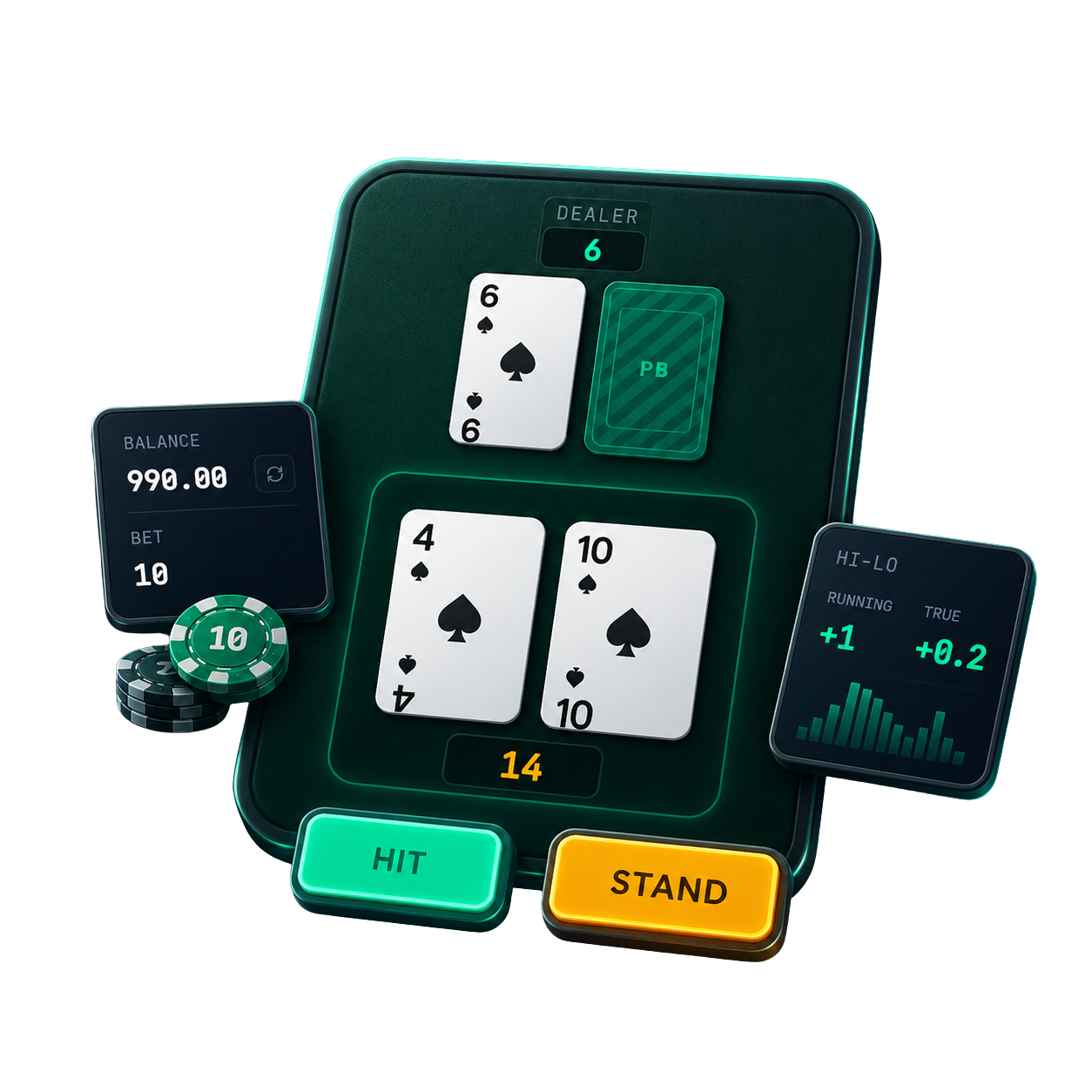
Deal. Decide. Count.
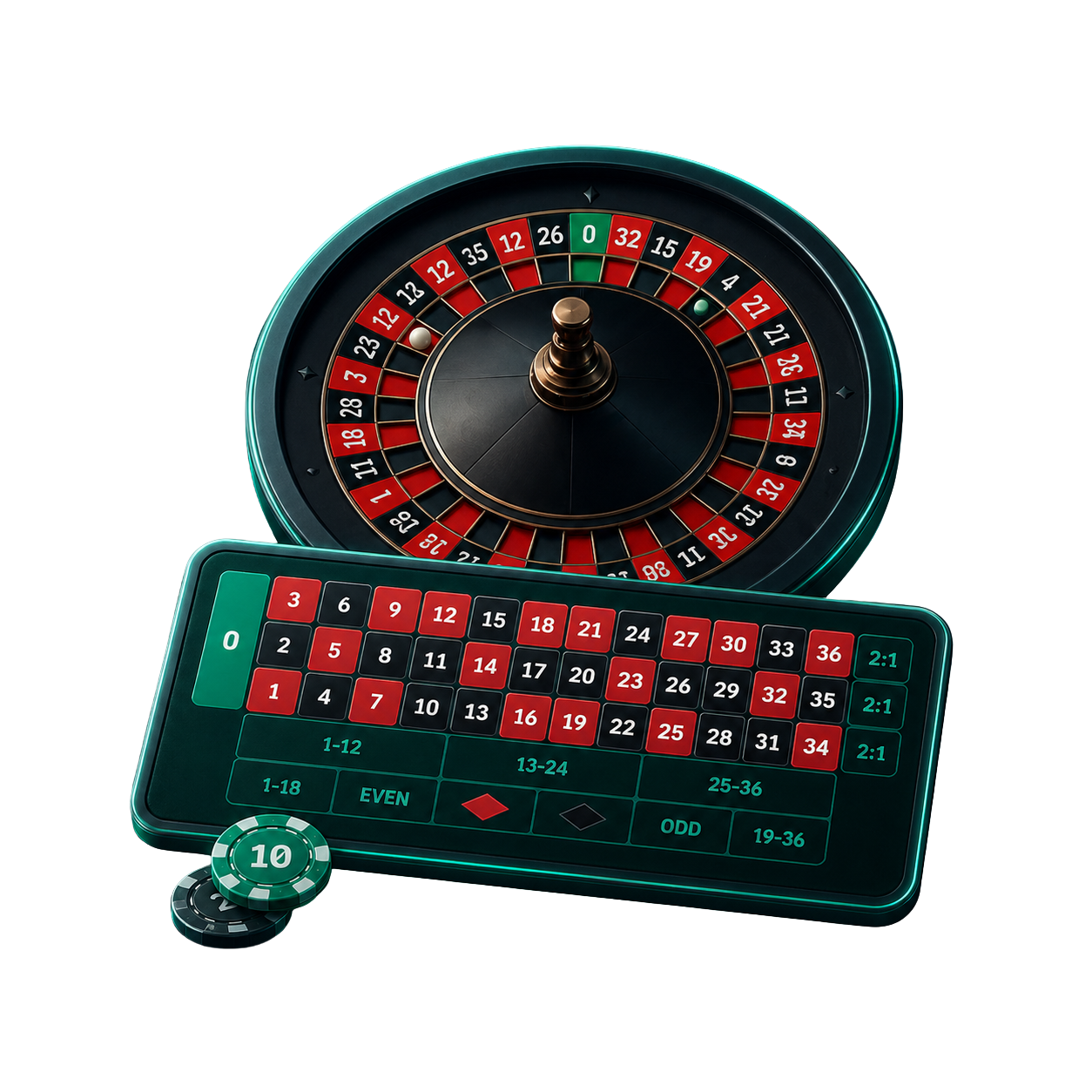
Spin. Analyze. Learn.
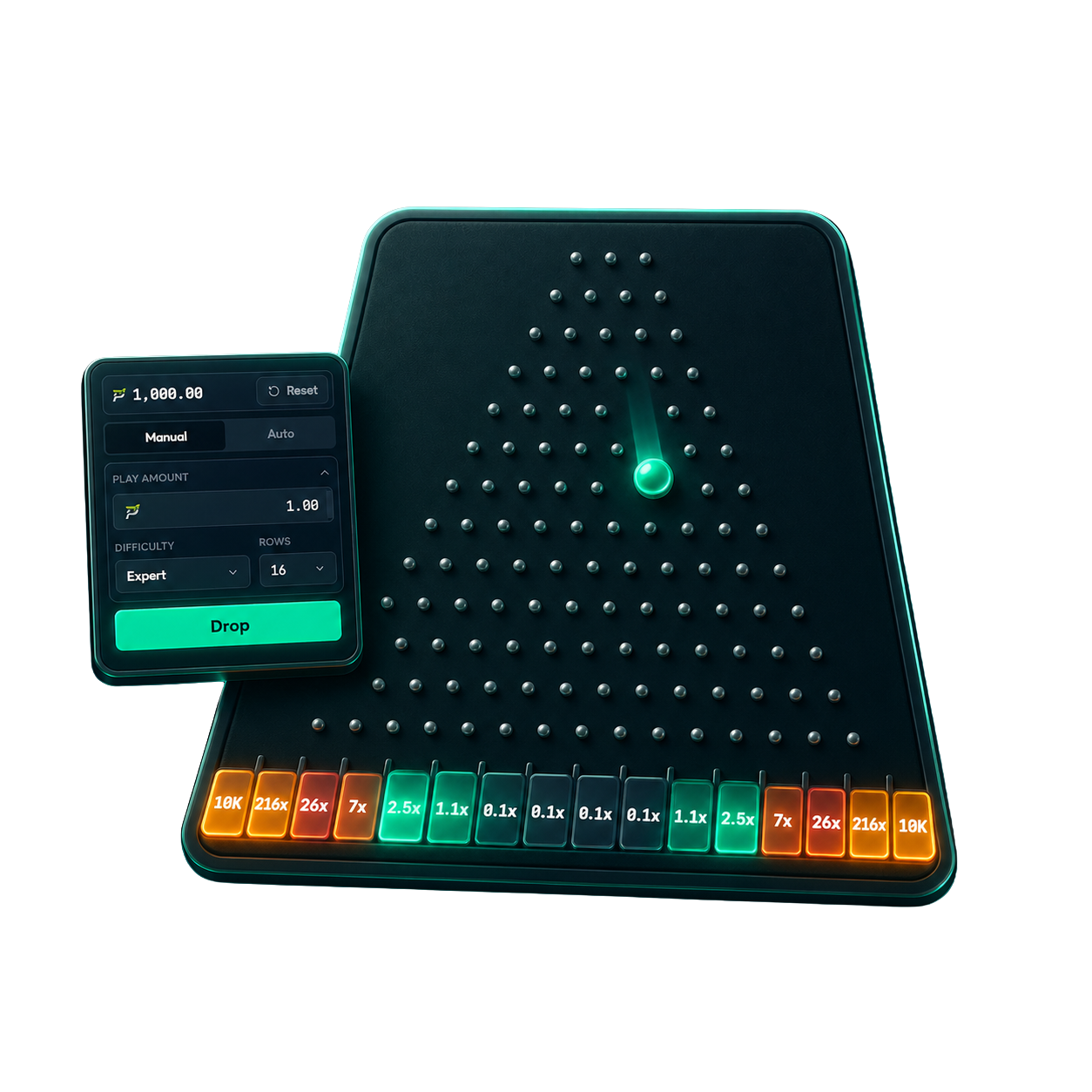
Drop. Bounce. Multiply.
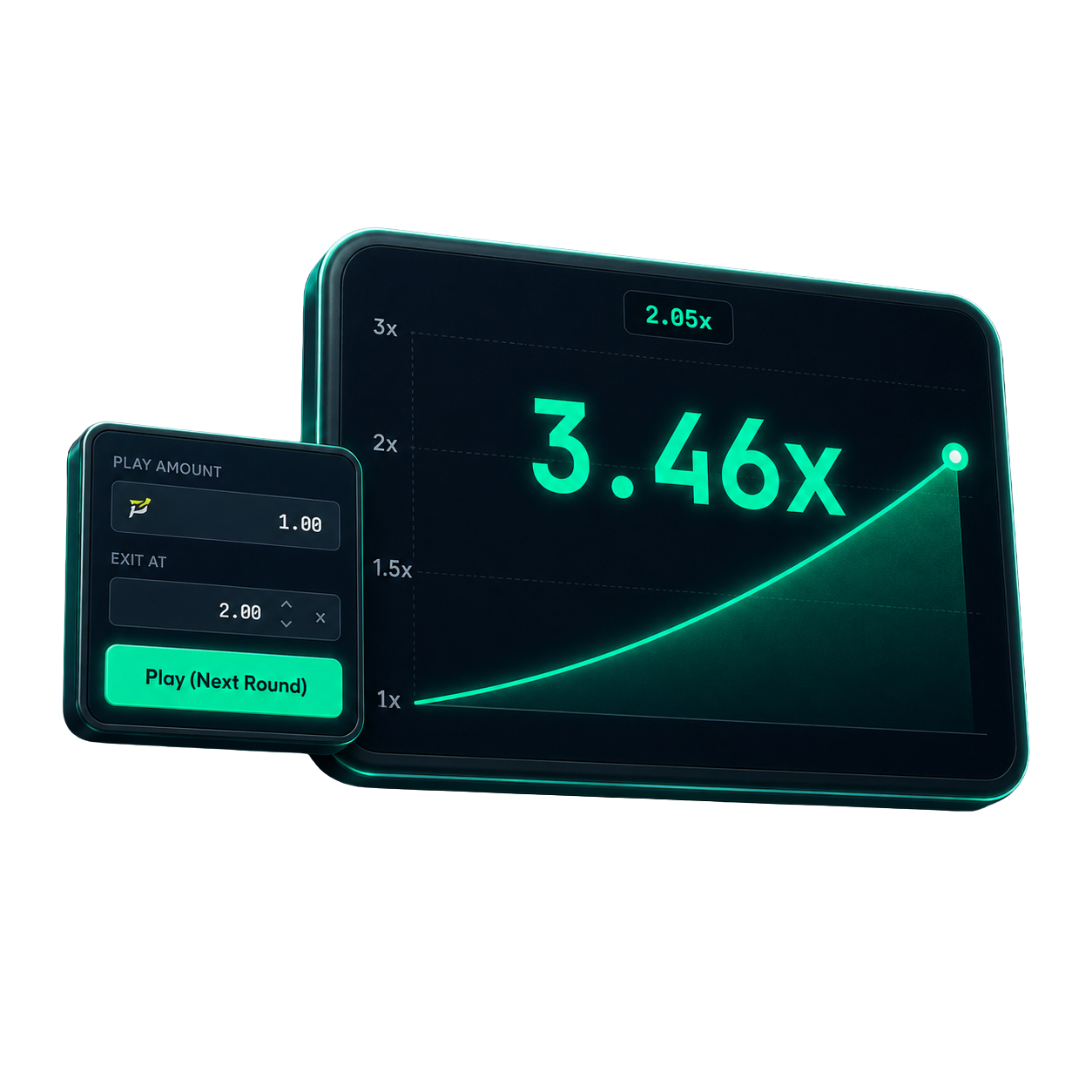
Rise. Collect. Or crash.
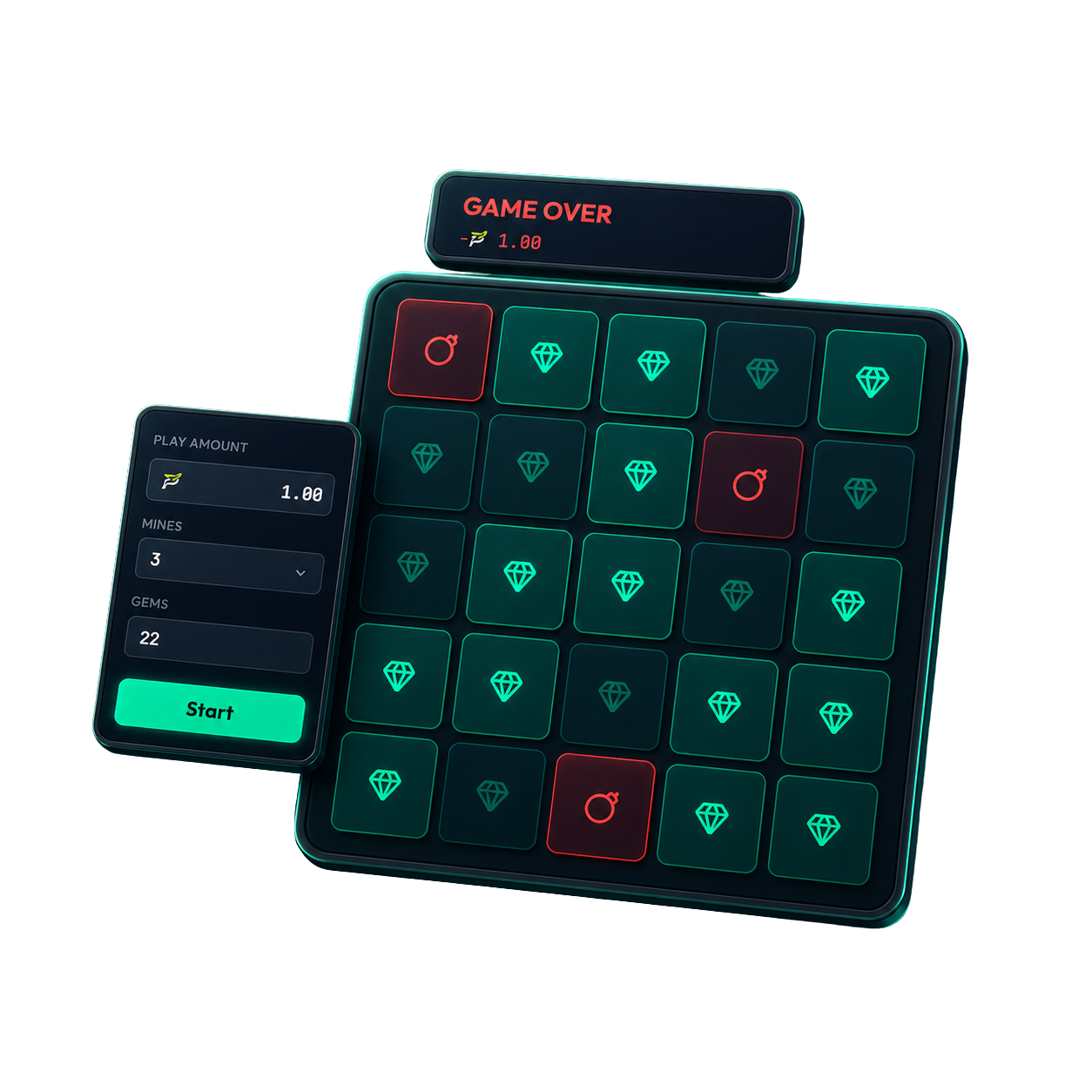
Reveal. Avoid. Multiply.
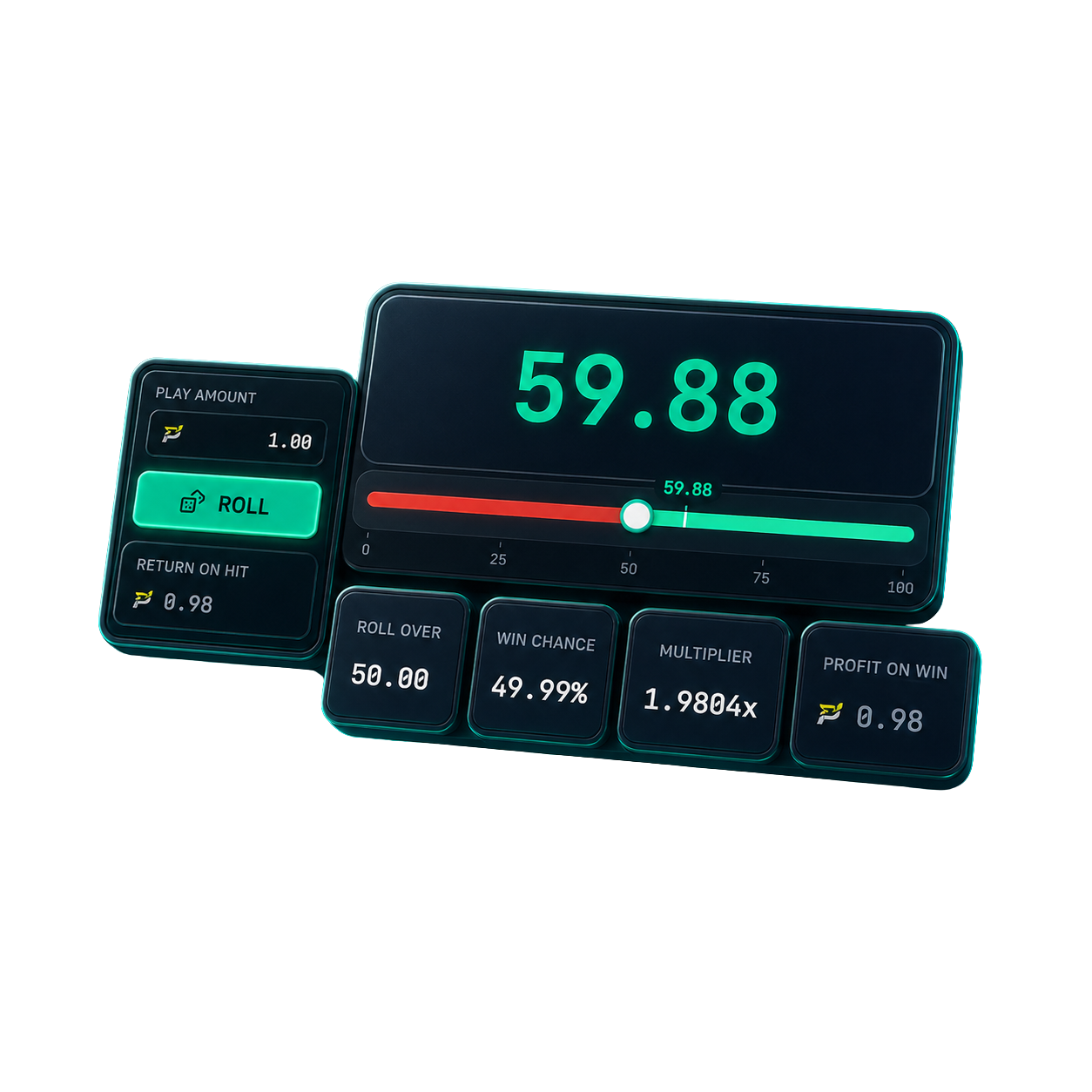
Set. Roll. Multiply.
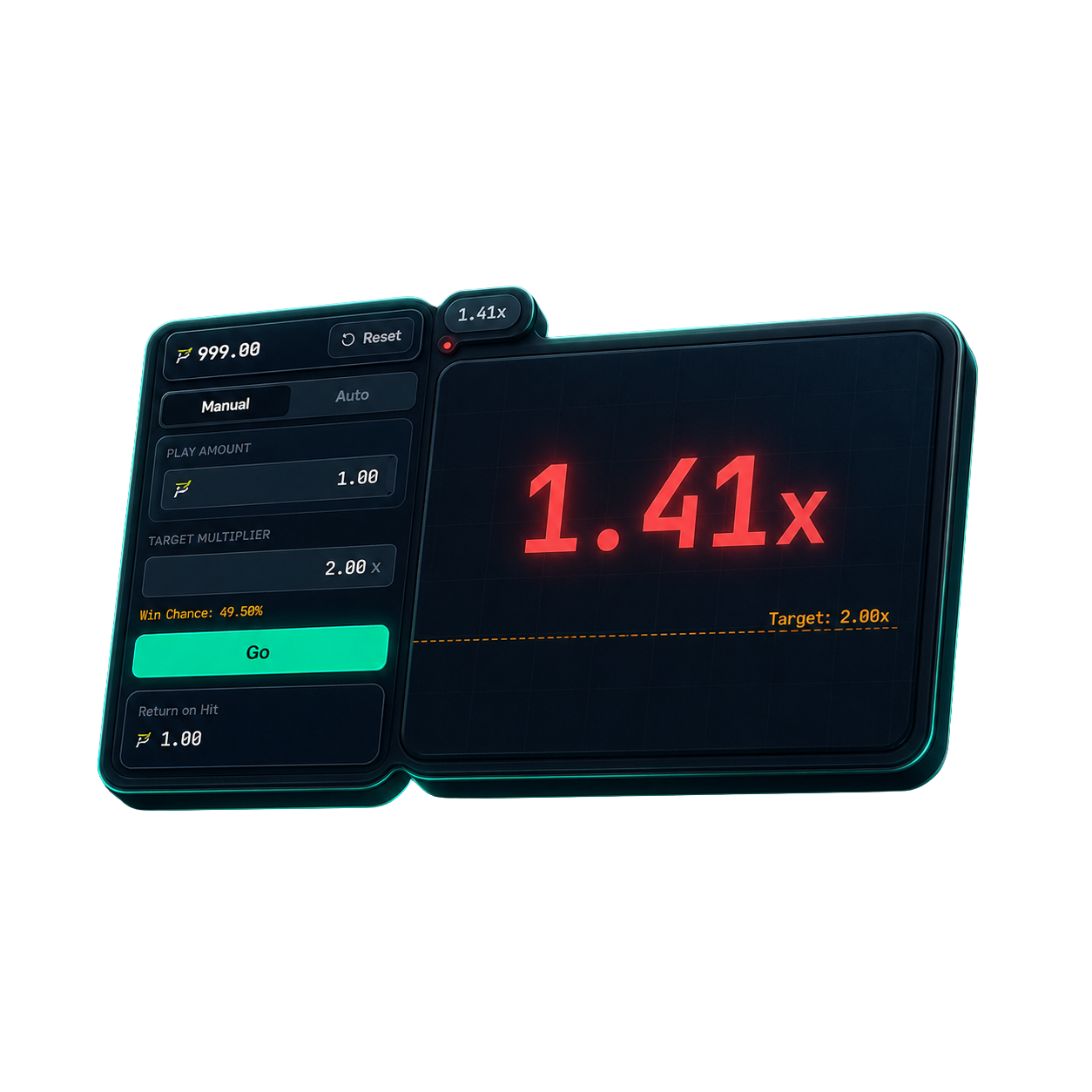
Target. Launch. Instant.
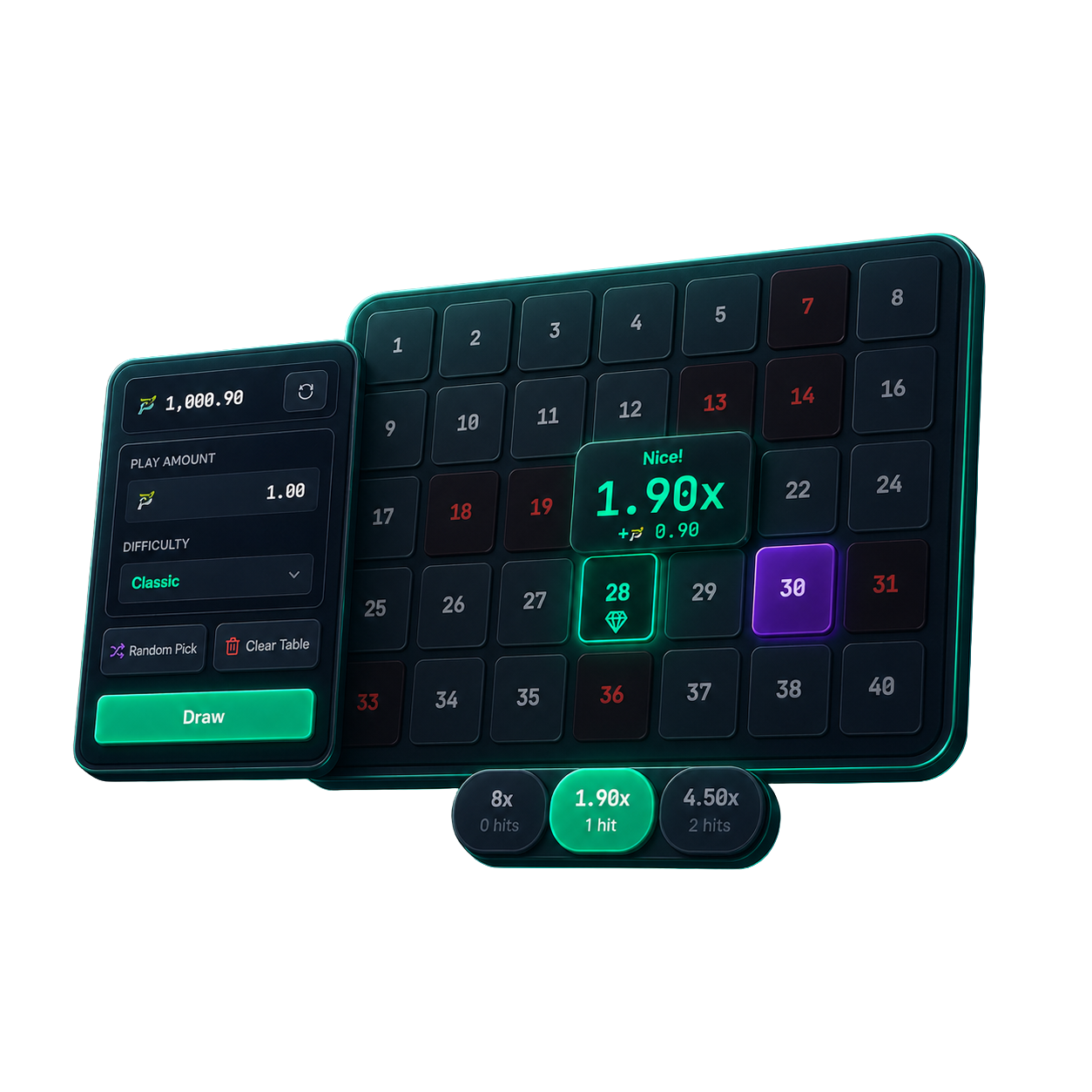
Pick. Match. Multiply.
Pick. Flip. Double.
This is a free mathematical simulation for educational purposes. No real money is used.