Keno probabilities follow the hypergeometric distribution — the same mathematical model used in quality control and statistical sampling. This free simulator lets you explore how pick count (1-10 numbers) and difficulty level affect your probability of matching drawn numbers from a 40-number grid.
Last updated: March 28, 2026
Pick 1-10 numbers from a 40-number grid and explore how hypergeometric probability determines match odds.
Free to play · No signup required
This free Keno odds simulator models a number-matching game. Pick 1 to 10 numbers from a 40-number grid, choose one of four difficulty levels (Easy, Medium, Hard, Expert), and the game draws 10 random numbers. Your payout depends on how many of your picks match the draw. Unlike state lottery Keno, this version delivers instant results — no waiting for live draws.
The difficulty level changes the payout table without affecting the underlying probability. Easy pays smaller amounts for fewer matches, while Expert requires more matches to break even but offers dramatically larger payouts for high match counts — up to 1,000x your bet. The same probability model applies across all difficulty levels and pick counts.
How many numbers you pick is a personal risk preference. Picking 1-3 numbers gives frequent small wins with low variance. Picking 7-10 numbers creates a lottery-like experience with high variance where most rounds lose but occasional matches pay substantially — though the expected value remains −1% regardless of pick count. The math is based on hypergeometric probability — the same formula used in all standard Keno games.
Explore the exact probability of matching 0 through N numbers for any pick count and difficulty level. Built on the hypergeometric distribution, with a dual-axis staircase chart showing how probability descends while multipliers ascend — plus a number frequency heatmap proving true randomness.
Match Probability Staircase
Match Probability Table
| Matches | Probability | Multiplier | Expected Return | Cumulative P |
|---|---|---|---|---|
| 0 of 5 | 21.66% | 0.00× | 0.0000 | 21.66% |
| 1 of 5 | 41.65% | 0.25× | 0.1041 | 63.31% |
| 2 of 5 | 27.77% | 1.40× | 0.3887 | 91.07% |
| 3 of 5 | 7.93% | 4.10× | 0.3253 | 99.00% |
| 4 of 5 | 0.96% | 16.50× | 0.1580 | 99.96% |
| 5 of 5 | 0.04% | 36.00× | 0.0138 | 100.00% |
| Total | 100% | 0.9899 | 100% |
P(k) = C(10,k) × C(30,n−k) / C(40,n) where n = picks, k = matches
Draw Frequency Heatmap
Compare all pick counts (1 through 10) side by side with actual standard deviation numbers, positive outcome thresholds, and return distribution analysis. Find the style that suits your risk tolerance — all at the same expected return rate.
| Metric | 1 | 2 | 3 | 4 | 5 | 6 | 7 | 8 | 9 | 10 |
|---|---|---|---|---|---|---|---|---|---|---|
| Positive Outcome Rate | 25.0% | 44.2% | 58.9% | 25.6% | 36.7% | 47.4% | 22.8% | 31.2% | 39.9% | 48.5% |
| Avg Multiplier | 0.99x | 0.99x | 0.99x | 0.99x | 0.99x | 0.99x | 0.99x | 0.99x | 0.99x | 0.99x |
| Max Multiplier | 4x | 5x | 10x | 23x | 36x | 40x | 60x | 70x | 85x | 100x |
| Std Deviation | 1.71 | 1.26 | 1.44 | 1.47 | 2.01 | 1.69 | 1.76 | 2.06 | 1.83 | 1.36 |
| Positive Threshold | 1+ | 1+ | 1+ | 2+ | 2+ | 2+ | 3+ | 3+ | 3+ | 3+ |
1–3 picks: frequent small returns with low variance. 7–10 picks: rare large returns with high variance. All share approximately 99% expected return rate.
Compare all four difficulty levels at the same pick count. See how Classic, Low, Medium, and High redistribute multipliers across match outcomes — same probabilities, different volatility profiles, same expected return, different ride.

Multiplier Table — 5 Picks
| Matches | Probability | Classic | Low | Medium | High |
|---|---|---|---|---|---|
| 0 of 5 | 21.66% | — | — | — | — |
| 1 of 5 | 41.65% | 0.25x | — | — | — |
| 2 of 5 | 27.77% | 1.4x | 1.5x | 1.4x | — |
| 3 of 5 | 7.93% | 4.1x | 4.2x | 4x | 4.5x |
| 4 of 5 | 0.96% | 16.5x | 13x | 14x | 48x |
| 5 of 5 | 0.0383% | 36x | 300x | 390x | 450x |
| Expected Return | ~99.0% | ~98.9% | ~98.9% | ~98.9% | |
Expected Return Contribution by Match Count
Honest, math-based answers about Keno.
Deal. Decide. Count.
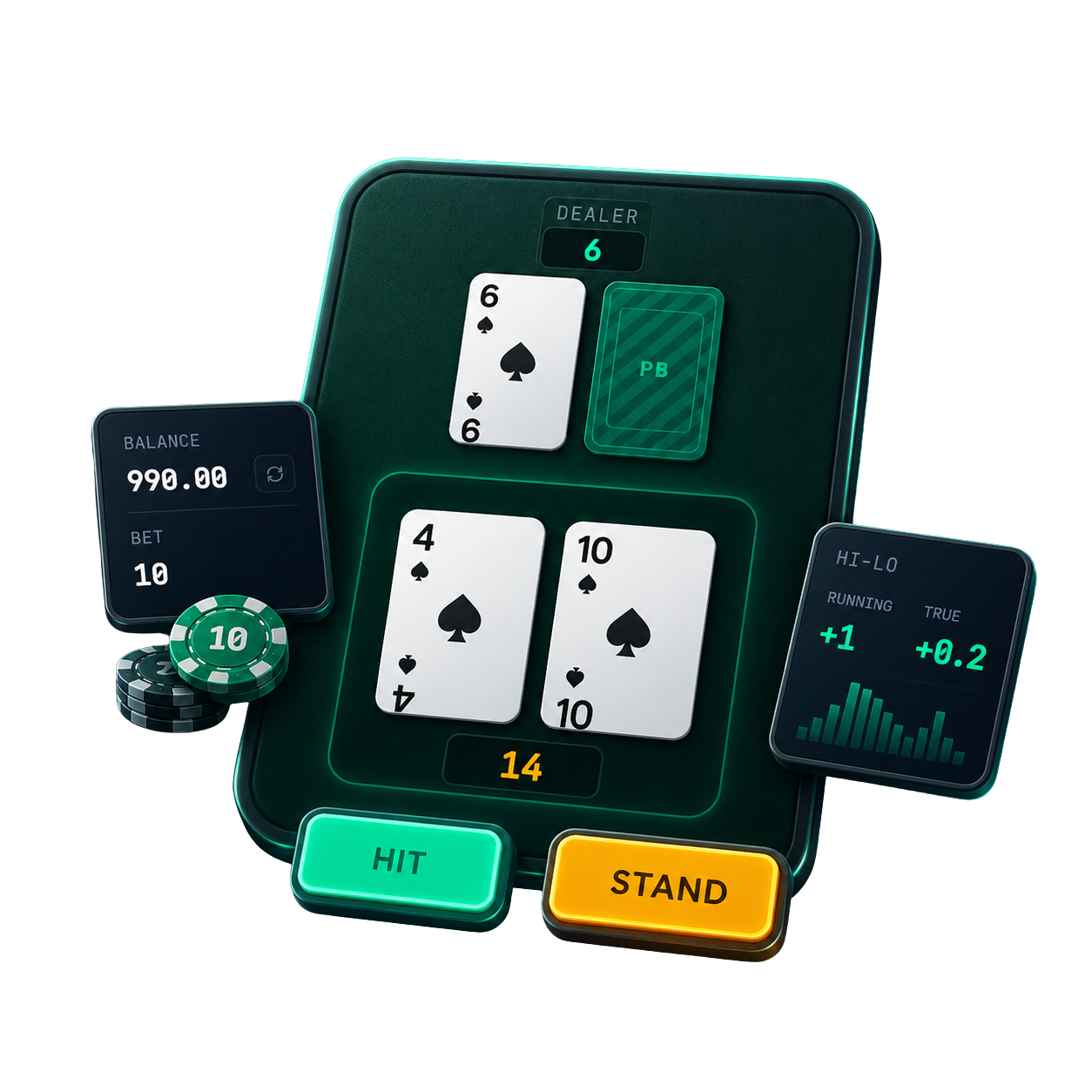
Spin. Analyze. Learn.

Drop. Bounce. Multiply.

Rise. Collect. Or crash.
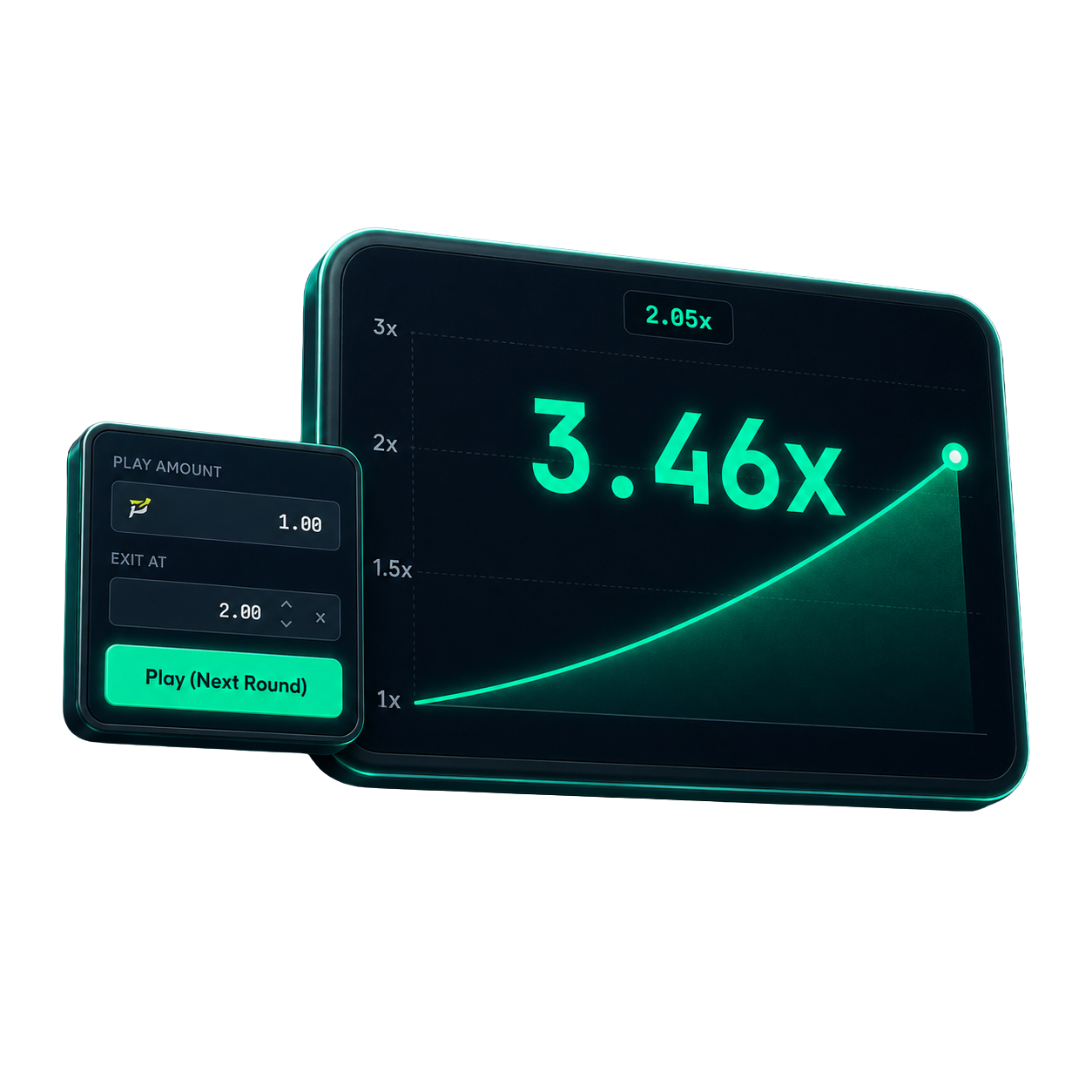
Reveal. Avoid. Multiply.
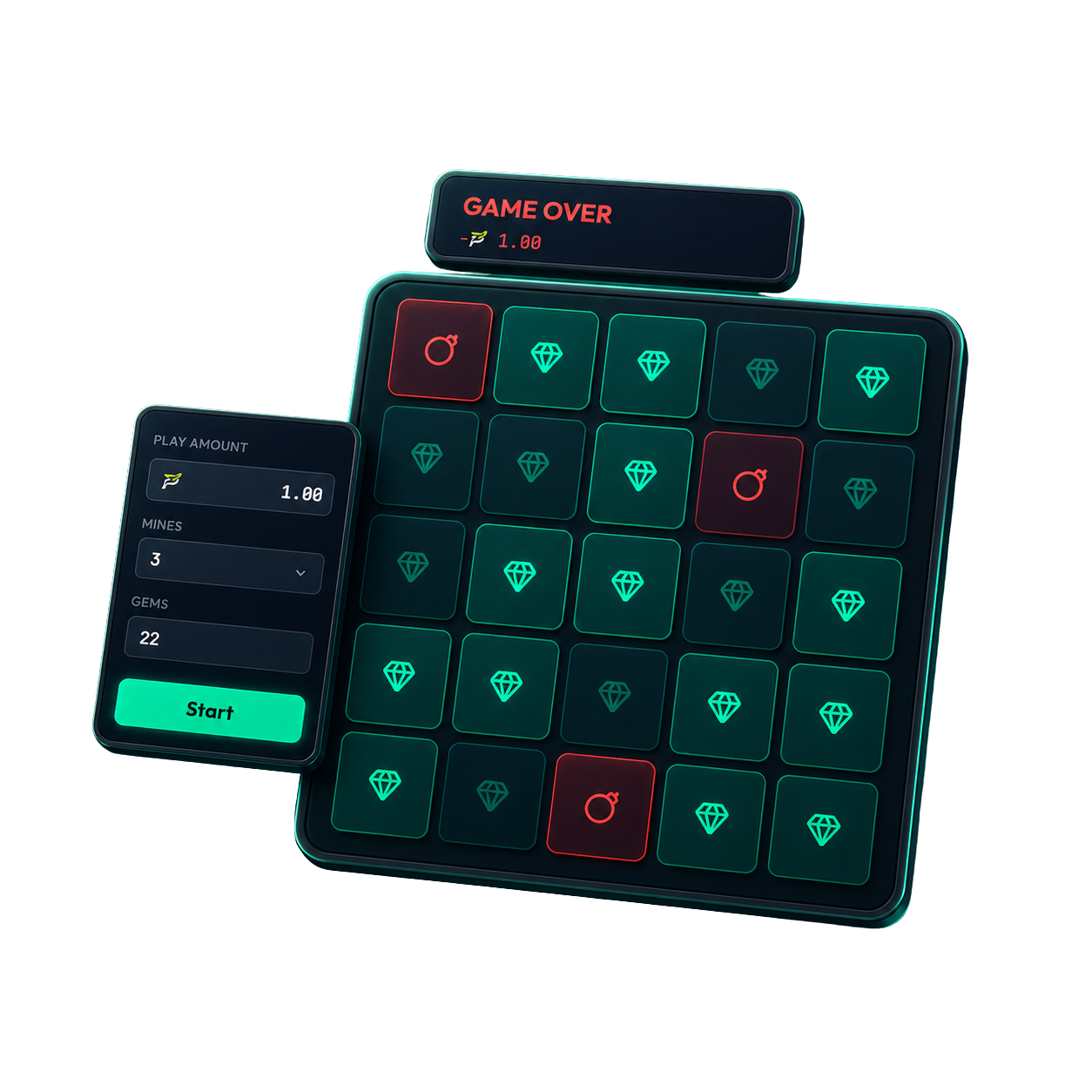
Guess. Stack. Collect.
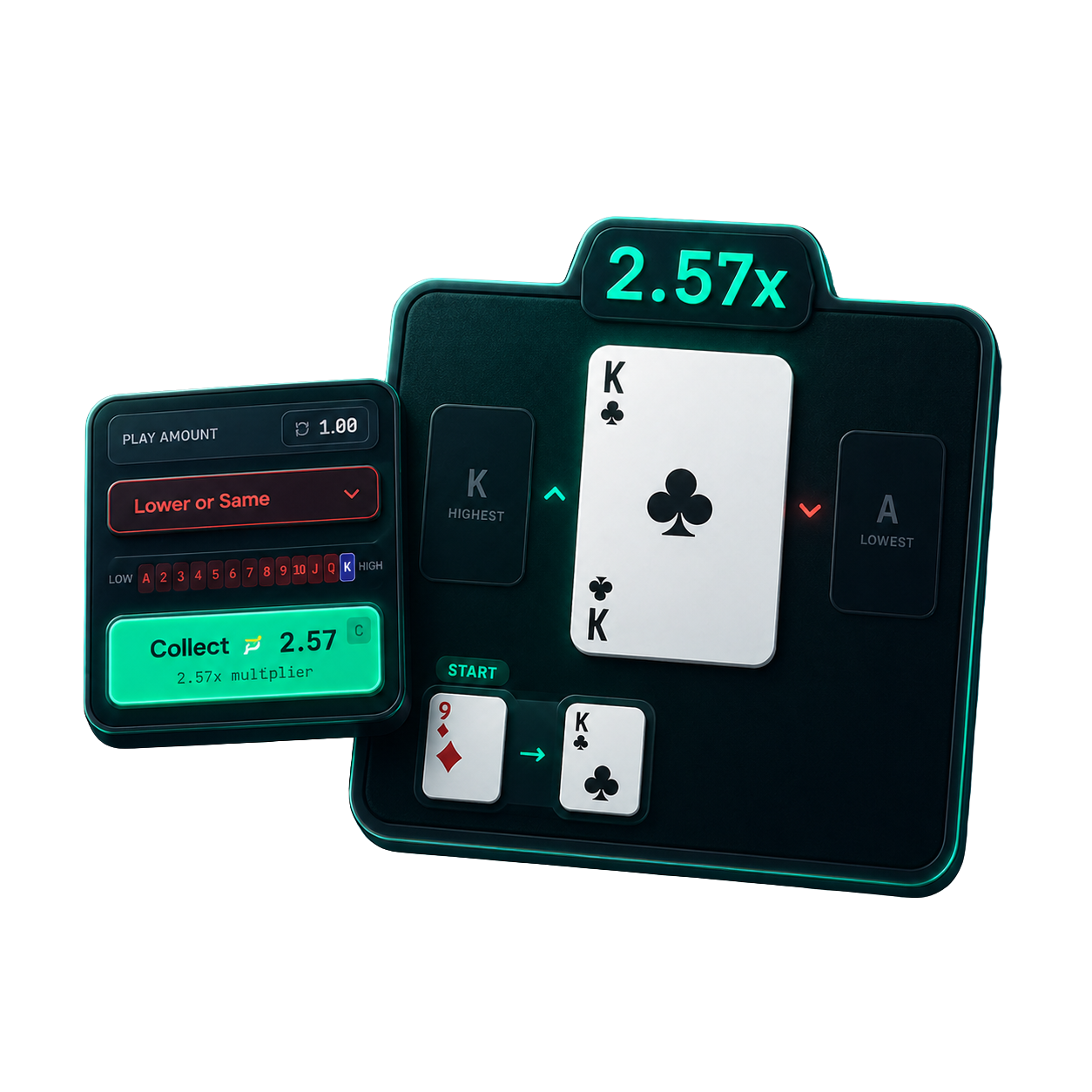
Set. Roll. Multiply.
Target. Launch. Instant.
Pick. Flip. Double.

This is a free mathematical simulation for educational purposes. No real money is used.