Plinko is based on the Galton Board — a device demonstrating the binomial distribution. Each peg deflection is a Bernoulli trial with p=0.5. After n rows, outcomes follow a bell curve. This free simulator uses mathematically verified multiplier tables so you can explore how variance, risk level, and sample size affect probability distributions.
Last updated: March 28, 2026
Drop balls through a pegged board and explore how risk levels, row counts, and sample size affect probability distributions.
Free to play · No signup required
This free Plinko probability simulator lets you drop a ball from the top of a pegged board and watch it bounce randomly through rows of pins before landing in a multiplier slot at the bottom. Each drop is independent — the ball's path through the pegs is determined by physics-accurate random bounces, producing a natural bell curve distribution across the slots.
PaperBet's free Plinko simulator offers three risk levels — low, medium, and high — each with different multiplier distributions. Low risk concentrates payouts in the center (frequent 1x-2x wins). High risk pushes payouts to the edges, creating rare but massive wins up to 1,000x. You can also adjust the row count from 8 to 16, which changes how many pegs the ball passes through and affects the spread of outcomes.
The multiplier tables are mathematically calibrated so that expected values remain consistent across all risk levels and row counts. Use the session stats panel to track your simulated results and compare them against the theoretical expectation. Read our Plinko strategy guide for a deeper breakdown of the math behind each risk level.
Test mathematical strategies like Martingale, Fibonacci, and D'Alembert across thousands of simulated Plinko sessions. See how each strategy affects your balance curve, depletion risk, and outcome distribution.

Run up to 1 million Plinko drops and compare the actual outcome distribution against the theoretical binomial prediction. Watch how actual results converge toward expected values as sample size increases.
All four risk levels share the same expected value — but the experience is completely different. Compare Low, Medium, High, and Expert side by side to see how volatility, win rate, and outcome distribution change while the mathematical expectation stays constant.
Honest, math-based answers about Plinko.
Deal. Decide. Count.
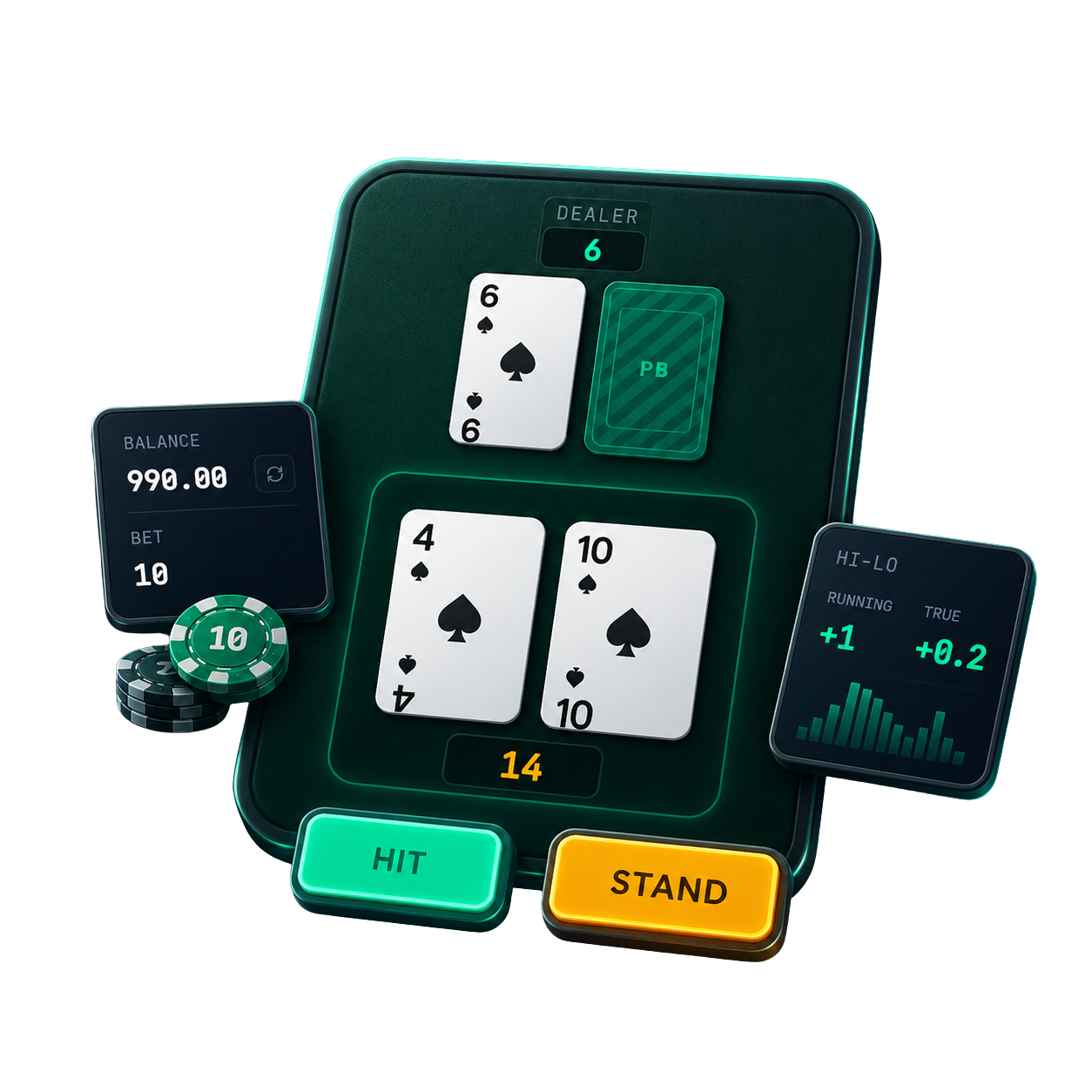
Spin. Analyze. Learn.

Rise. Collect. Or crash.
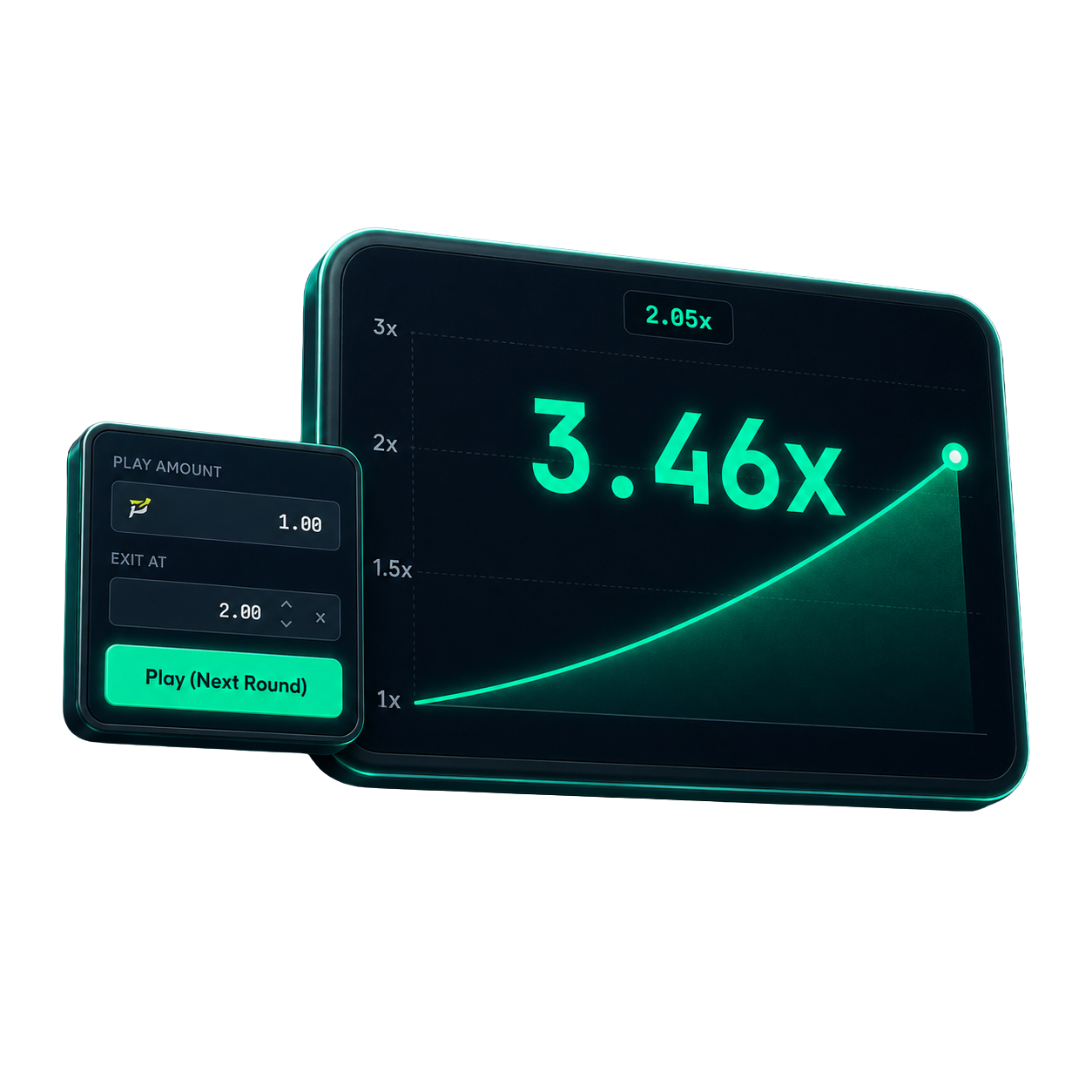
Reveal. Avoid. Multiply.
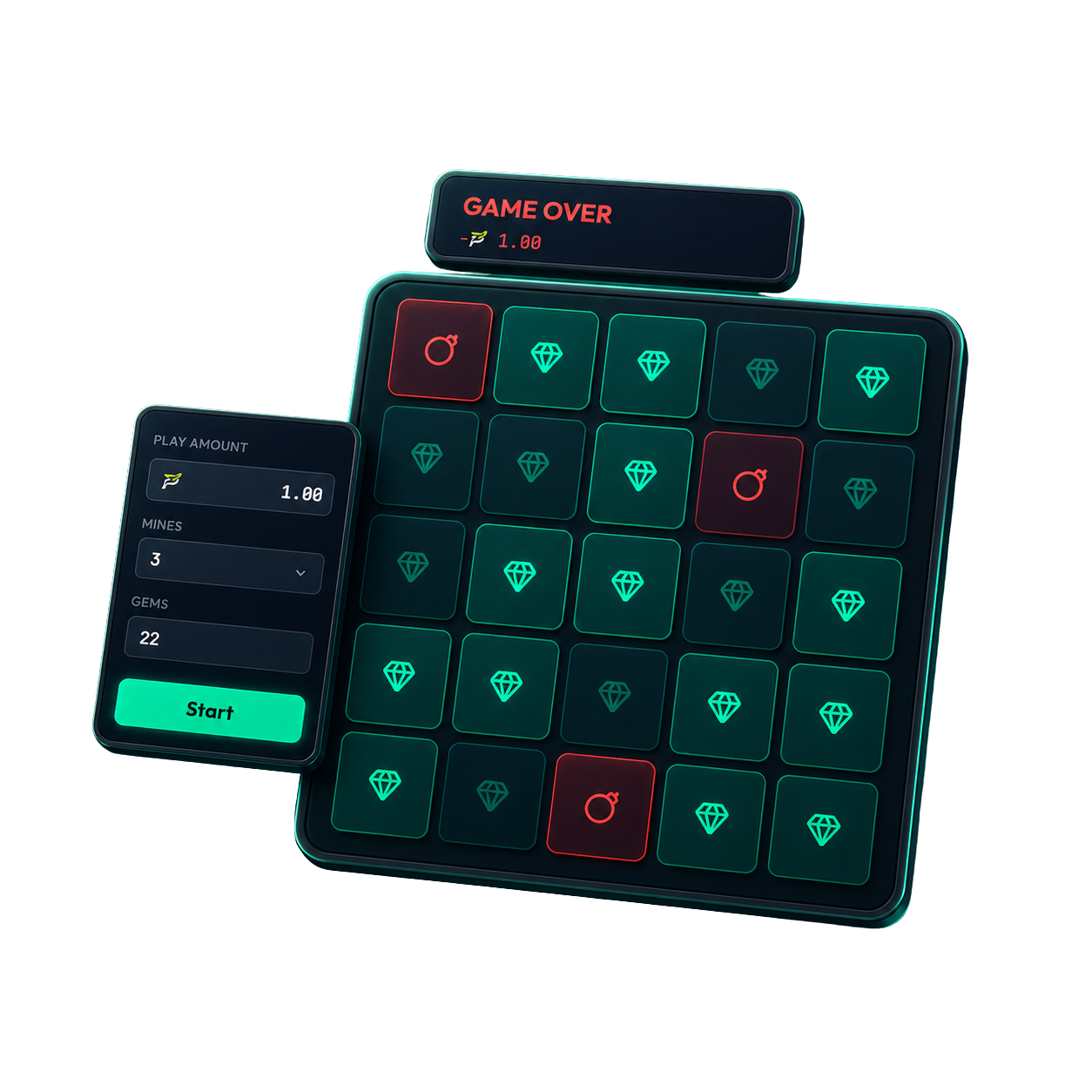
Guess. Stack. Collect.
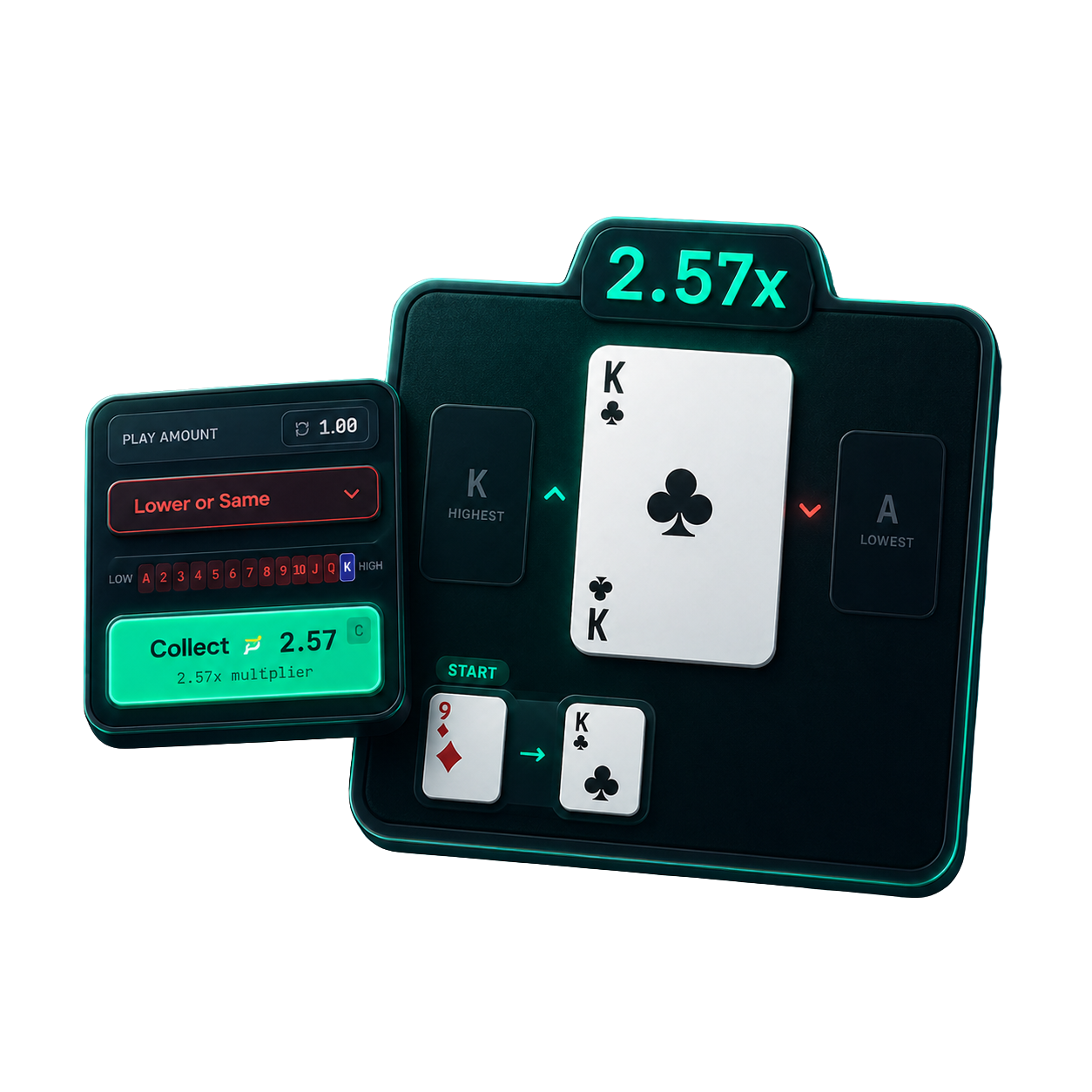
Set. Roll. Multiply.
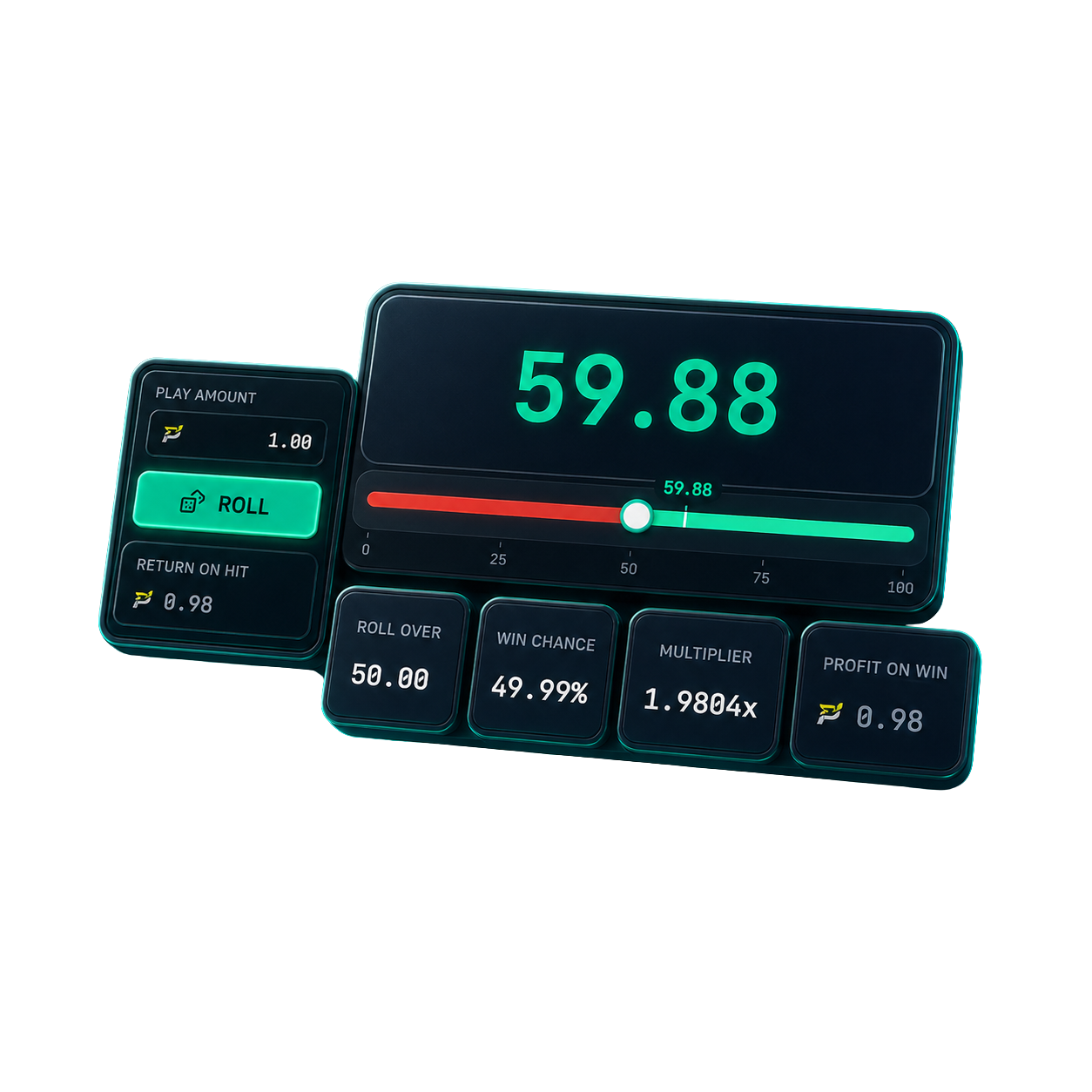
Target. Launch. Instant.
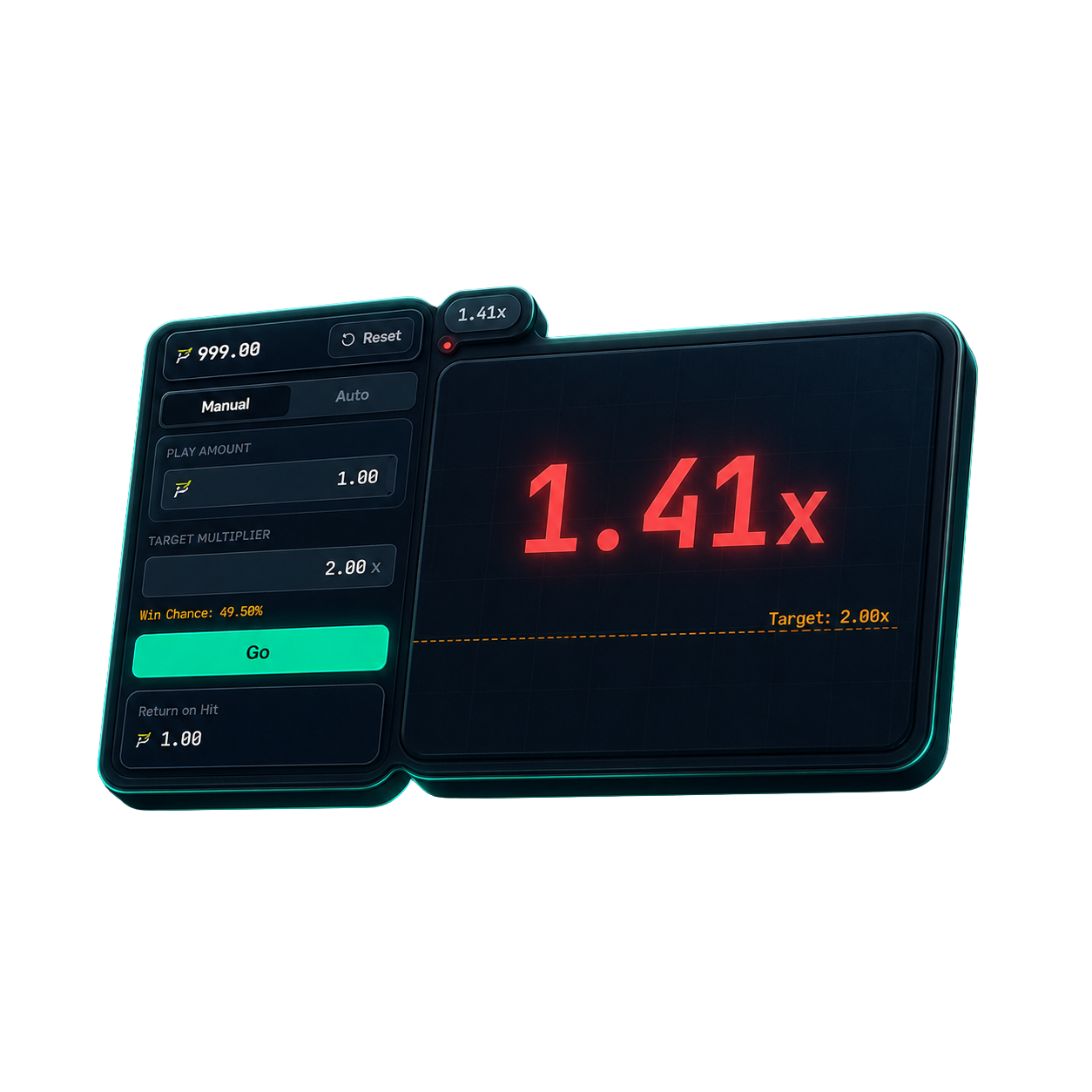
Pick. Match. Multiply.
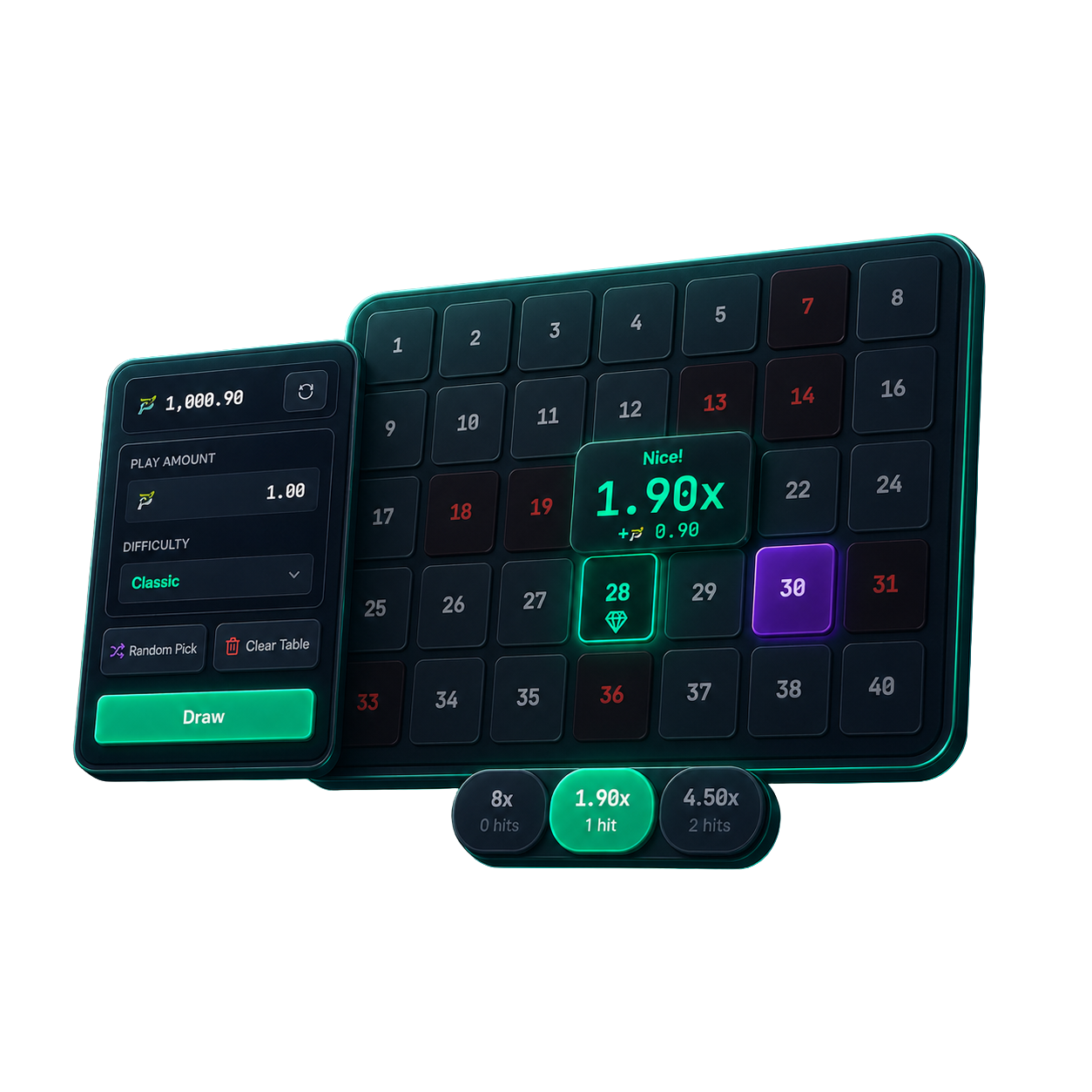
Pick. Flip. Double.
We ran 10,000 simulated Plinko drops at every risk level and row count. Here's what the data actually shows about your odds, bankroll survival, and the best settings for your playstyle.
Read GuideThe risk level you choose in Plinko is the single most important decision you'll make. Here's exactly how it changes your odds, your bankroll, and your experience.
Read GuideYou've practiced in the simulator. Now which platforms offer the best Plinko experience? We compare the top options — game variants, RTP, payout speeds, and what to watch out for.
Read GuideThis is a free mathematical simulation for educational purposes. No real money is used.